
6 Must-Know Landscaper Tips for a Lush Lawn
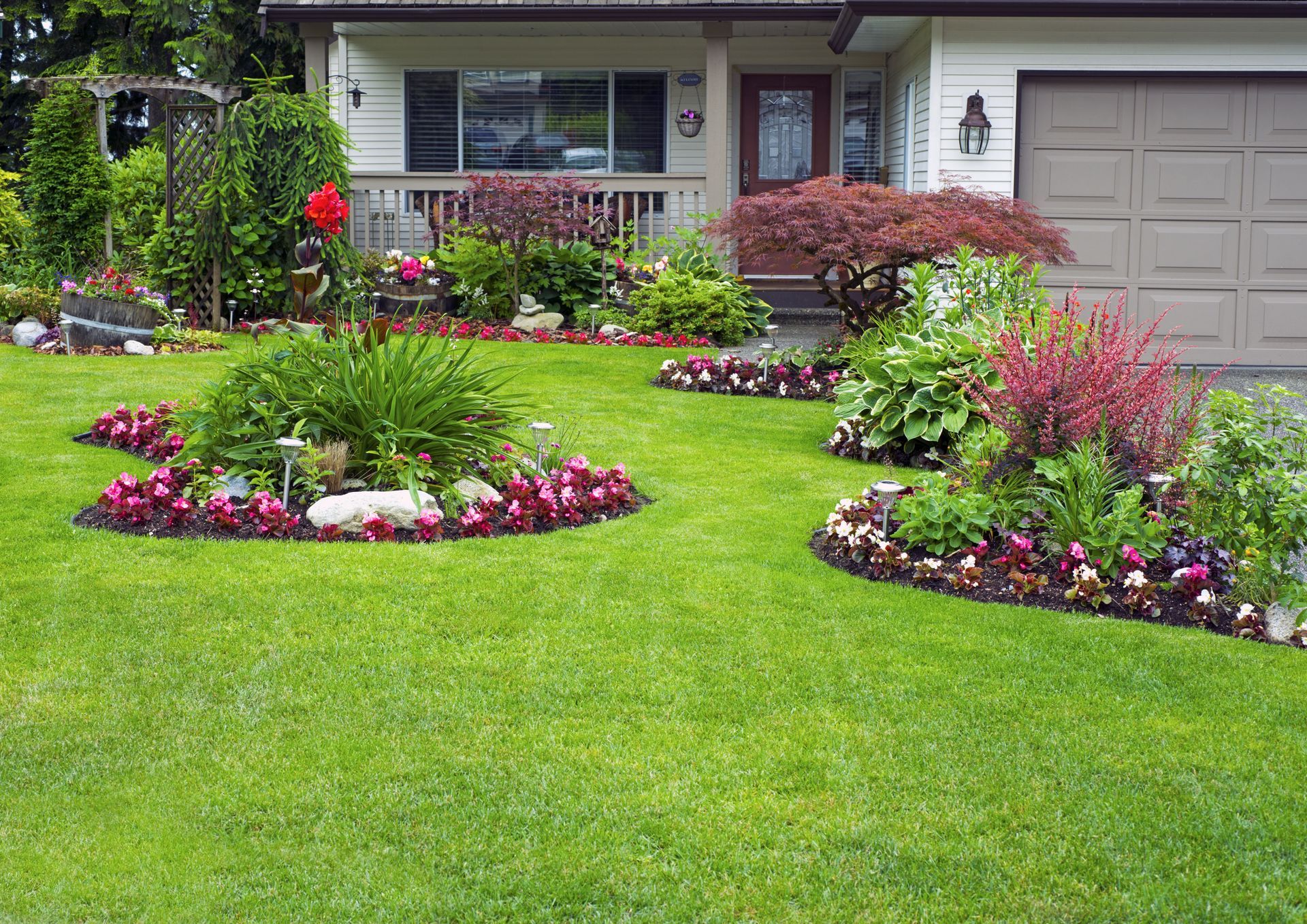
In this detailed guide, we'll explore essential landscaper tips to help you cultivate a stunning, healthy lawn. Whether you're a seasoned gardener or a lawn care novice, these insights will equip you with the knowledge needed to maintain your outdoor space. Achieving the perfect lawn is both an art and a science, requiring attention to soil health, grass selection, mowing techniques, watering strategies, pest control, and fertilization. With these comprehensive tips, you'll learn how to create a verdant oasis that enhances your property's beauty and value. So, let's dig deeper into each aspect of creating a lush landscape that you and your family can enjoy year-round.
1. Understanding Soil Health
Soil Composition
Every landscaper knows that the foundation of a vibrant lawn begins with understanding soil composition. Soil is composed of mineral particles, organic matter, water, and air, each playing a crucial role in plant health. The balance of these components affects the soil texture, which can range from clay to sand or loam. Ideal lawn soil is a loamy mixture, providing adequate drainage while retaining essential moisture. The structure of your soil directly impacts root penetration and nutrient uptake, making it vital to assess and amend your soil as necessary for optimal grass growth.
pH Levels and Grass Growth
Soil pH is a critical factor that influences nutrient availability in the soil, affecting grass health and growth. Most grasses thrive in slightly acidic to neutral pH levels, typically between 6.0 and 7.0. Testing your soil's pH is a straightforward process, enabling you to make informed decisions on any necessary amendments. Altering soil pH can be accomplished through the application of lime to raise pH or sulfur to lower it. Regular monitoring ensures that your lawn stays in the prime pH range for lush green growth.
Organic Matter and Nutrients
Organic matter, such as compost and decomposed plant material, is essential for improving soil structure and fertility. Adding organic matter increases the water-retaining capacity of soil and provides a steady release of nutrients. This process also enhances microbial activity, which plays a key role in decomposing organic material and releasing nutrients for plant use. A landscaper can incorporate organic matter, which aligns with sustainable lawn care practices, reducing the reliance on synthetic fertilizers. An thriving ecosystem within your soil can better support the millions of plant blades that an average 1,000 square feet of lawn can host, according to This Old House.
Aeration Techniques
Aeration is the process of perforating the soil with small holes to allow air, water, and nutrients to penetrate grass roots. This technique alleviates soil compaction, a common issue in lawns subjected to frequent foot traffic. When soil is compacted, it restricts root growth and reduces the lawn's ability to absorb essential elements for growth. Aeration improves resilience, helping lawns recover from stressors like heat and drought. The best time for aeration depends on the grass type; cool-season grasses in fall and warm-season grasses in late spring.
Drainage Solutions
A professional landscaper will tell you that effective drainage is crucial to prevent waterlogging, which can lead to root rot and nutrient leaching. Clay soils, common in many regions, tend to retain water, necessitating additional strategies for proper drainage. Implementing techniques, such as adding organic matter, installing French drains, or regrading, can significantly improve a lawn's drainage. It's essential to address low-lying spots where water might pool, ensuring every part of your lawn receives optimal moisture. Adequate drainage promotes healthier, more vigorous plant growth and reduces maintenance issues linked to excess water.
2. Choosing the Right Grass
Regional Climate Considerations
Choosing the right grass species for your lawn involves understanding your regional climate. Different grasses have varying degrees of tolerance for temperature, rainfall, and seasonal changes. Cool-season grasses, such as Kentucky bluegrass, thrive in cooler northern climates, while warm-season varieties like Bermuda grass excel in southern regions. By selecting a grass type adapted to your climate, you ensure your lawn's longevity and minimize maintenance efforts. By choosing a region-specific grass, you align your lawn with natural conditions, making it more resilient to environmental stress. Reach out to a local landscaper to learn more.
Warm vs. Cool Season Grasses
Understanding the difference between warm-season and cool-season grasses helps ensure a thriving lawn. A landscaper can help you determine this, too. Warm-season grasses grow actively in hot conditions but may turn brown during colder months. In contrast, cool-season grasses perform best in cooler weather and remain green in early spring and fall. Each type has its unique aesthetics and maintenance needs, so selecting the appropriate grass aligns your lawn goals with your climate. Properly mixing the two can sometimes extend green periods, but it's crucial to understand each variety's growth pattern.
Seed vs. Sod Installation
When establishing a new lawn, landowners often debate between seeding and sodding. Seeding is a cost-effective method that allows for extensive grass variety options suited to specific conditions. However, it requires patience and attentive care during germination and establishment. Sod provides an instantly lush lawn and is a great choice for quick solutions, but it's more expensive and limited in grass type selections. Evaluate your budget, timeline, and desired grass types to decide on the best installation approach for your project.
Maintenance Requirements
Selecting a grass variety involves judging its maintenance requirements and your available resources. Higher-maintenance grasses may need frequent mowing, extensive fertilization, and precise watering schedules. Low-maintenance options might be more suitable for part-time attention or environmental contexts. Investigating each grass type's needs ensures you aren't overwhelmed with upkeep tasks beyond your available time and resources. By aligning lawn care with your lifestyle, you'll foster a healthier environment and prevent garden burnout.
Tolerance to Traffic and Shade
Grass tolerance to foot traffic and shade is a crucial consideration for maintaining lawn aesthetics and health. Your local landscaper will inform you that some varieties withstand heavy use and are ideal for active households with children and pets. Similarly, lawns with shaded areas require shade-tolerant species to ensure even growth across all spaces. Identifying the appropriate variety improves the lawn's appearance despite environmental and use-based stress. Tailoring grass selection to such characteristics maintains the lawn's beauty and durability over time.
3. Effective Mowing Practices
Mower Type Selection
Choosing the right mower depends on your lawn size, terrain, and maintenance preferences. Push mowers are ideal for small lawns, providing exercise and lower emissions. Self-propelled mowers suit larger areas and reduce physical effort, while riding mowers offer comfort and efficiency for expansive properties. Electric and battery-powered options cut down on noise and pollution, though they often have limited runtime. Weigh the pros and cons of each type to find the ideal solution tailored to your lawn's unique needs.
Mowing Frequency and Height
Mowing frequency and height significantly impact lawn health and aesthetics. The one-third rule advises against cutting more than one-third of the grass height at a time, which minimizes stress and encourages deeper root systems. The optimal mowing height varies with grass species and seasonality; cool-season grasses fare better with higher cuts in the summer, whereas warm-season grasses can be shorter. Adjusting your mowing practices helps maintain vibrant coloration and efficient photosynthesis. Consistent mowing schedules that adapt to seasonal growth spurts retain the lawn's neat appearance.
Grass Clippings and Mulching
Leaving grass clippings on the lawn, a practice known as mulch mowing, recycles nutrients back into the soil. Mulching disguises the clippings while they decompose, enhancing soil structure and reducing nitrogen loss. This natural process returns essential elements, like nitrogen and carbon, to your lawn, diminishing the need for additional fertilizers. Furthermore, clippings provide shade and moisture retention directly on the soil surface. By adopting mulching, you contribute to sustainable lawn care that fosters long-term health and vigor.
Sharpening Mower Blades
A local landscaper swears by sharp mower blades. They are crucial for clean cuts that minimize plant tissue damage and disease susceptibility. Dull blades tear and bruise grass tissue, leading to inefficiencies in water and nutrient uptake. Regular sharpening ensures efficient mowing and helps prolong the life of your mower. Blades should ideally be sharpened at the beginning of each mowing season and periodically throughout, depending on usage frequency. Consistent maintenance aligns with achieving the crisp, manicured look of a professional-grade lawn.
Mowing Safety Tips
Safety during mowing can't be compromised, as accidents are preventable with proper precaution. First and foremost, clear the lawn of any debris that might become projectiles. Wearing appropriate footwear, eye protection, and earplugs minimizes physical risk. Adherence to manufacturer instructions when adjusting or servicing mowers prevents mishaps, and mowing across slopes (rather than up or down) minimizes tipping hazards. These straightforward measures protect both yourself and your mower, ensuring a safe and efficient lawn care experience.
4. Watering Strategies for Healthy Growth
Watering Frequency and Timing
The right watering frequency and timing are essential for maintaining a healthy lawn. Early morning watering minimizes evaporation and fungal growth, allowing grass to absorb water efficiently. Deep, infrequent watering encourages root growth deeper into the soil but overwatering leads to shallow root development and disease vulnerability. By finding optimal watering rhythms, you strike a balance between conserving water and nurturing robust lawns.
Sprinkler System Setup
Installing an efficient sprinkler system delivers consistent hydration, enhancing lawn health. Key considerations involve coverage area, nozzle type, and spray pattern, adapted to fit lawn shape and size. Automated timers harmonize lawn maintenance with daily routines, offering accurate control over watering duration and frequency. Regular system inspections ensure the absence of leaks or blockages that cause water waste or uneven distribution. A well-configured sprinkler system aligns your landscape management with environmental stewardship.
Drought-Resistant Lawn Care
Implementing drought-resistant lawn care practices promotes resilience during dry spells. Selecting drought-tolerant grass varieties adapted to regional climates minimizes maintenance stress. Encouraging deeper root systems through infrequent watering and efficient fertilization strengthens lawns against water scarcity. Mulching and adjusting mowing height also help retain soil moisture, optimizing water usage. Prioritizing these strategies offers pragmatic lawn care solutions supporting sustainable, attractive outdoor spaces.
Signs of Overwatering and Underwatering
Recognizing signs of overwatering or underwatering allows for timely corrective action to preserve lawn vitality. Signs of overwatering include shallow roots, fungal growth, and spongy soil texture. Conversely, underwatered lawns exhibit brown patches, curling blades, and wilting during the heat of the day. Your local landscaper can assist you in diagnosing the condition of your lawn and advise what to do to remedy it or keep it going strong. Monitoring these indicators targets hydration adjustments, averting damage from either extreme. Striking the right balance ensures the nourishment of your lawn and maintains its appeal and functionality.
Soil Moisture Testing
Accurate soil moisture testing optimizes irrigation practices for healthier lawns. Techniques, such as using a soil moisture probe, determine wetness levels below the surface, guiding water application. Lawn appearance alone is insufficient, as subsurface conditions dictate plant health more accurately. Frequent assessments guard against overwatering, reducing strain on resources and costs associated with excessive water consumption. Through diligent testing, you ensure your lawn receives precisely the water it requires for sustained lushness.
5. Weed and Pest Control
Identifying Common Lawn Weeds
Fostering a stunning lawn involves identifying and managing common lawn weeds. Weeds, such as crabgrass, dandelions, and clover, compete with grass for nutrients and water. Effective identification and prompt removal thwart these invaders while minimizing chemical use. Differentiating between grassy weeds and broadleaf varieties aids targeted management through cultural or chemical strategies. Consistent vigilance keeps your grass healthy and reduces the labour associated with recurring infestations.
Natural Weed Control Methods
Natural weed control methods offer environmentally friendly options without chemicals. Hand pulling, mulching, and employing ground covers can suffocate undesired plants while enhancing soil fertility naturally. Additionally, promoting dense, healthy turf through aeration and proper fertilization denies weeds the space to germinate. These practices align with holistic lawn management philosophies, promoting sustainability and integrity across landscapes. The adoption of eco-friendly methodologies is vital for preserving soil quality and promoting biodiversity.
Pest Identification and Management
Accurate pest identification and management prevent turf damage and promote lawn health. Common pests, including grubs, chinch bugs, and sod webworms, undermine root systems and plant stability. Inspecting turf for signs of pest activity and employing targeted biological or chemical treatments curtail damage. Integrated Pest Management (IPM) strategies address pest populations while safeguarding beneficial insects. This balanced approach maintains ecological integrity and reduces hazards associated with indiscriminate chemical use.
Integrated Pest Management (IPM)
Integrated Pest Management (IPM) embodies a balanced approach to minimizing pest-related damage. It combines cultural, physical, biological, and chemical methods to control pest populations sustainably and effectively. Cultural practices, like proper mowing heights and irrigation schedules, create conditions less favorable for pest establishment. Biological control includes introducing or conserving natural predators, while chemical applications are considered a last resort. By implementing IPM, homeowners ensure ecologically responsible lawn management that upholds environmental health.
Preventative Measures
Regular maintenance routines play a significant role in preventing weed and pest invasions. Adopting proactive measures, such as overseeding and seasonal fertilization, strengthens lawn natural defenses. Monitoring for stress signals like discolored patches aids early intervention, reducing infestation severity. Keeping grass healthy with appropriate mowing, watering, and fertilizing cultivates resilience against potential pests and invasions. Through consistent care, homeowners maintain thriving, attractive lawns with minimal need for corrective actions.
6. Feeding Your Lawn: Fertilization Techniques
Understanding Fertilizer Types
Comprehending different fertilizer types informs effective and sustainable lawn feeding. Organic fertilizers, like compost and manure, improve soil fertility and structure gradually, whereas synthetic options deliver fast-acting nutrients. Slow-release varieties extend nutrient availability over time, minimizing environmental impact and application frequency. The right choice hinges on lawn characteristics, sustainability goals, and desired results. Understanding distinct benefits and drawbacks ensures consistent, lush growth across your outdoor space.
Timing and Frequency of Application
Optimal fertilization timing aligns with grass growth cycles, maximizing benefits for resilience and aesthetics. Spring and fall remain crucial planting periods when cool-season grasses benefit from nutrient boosts. Warm-season grasses often thrive with feeding during their peak growing period. Careful scheduling guards against leaching and nutrient burn, promoting sustainable management disciplines. Regular applications, informed by soil testing, facilitate steady, long-term growth and minimize evident nutrient deficiencies.
Using Soil Tests to Determine Nutrient Needs
Leveraging soil tests tailors fertilization strategies to meet specific nutrient deficiencies. Testing involves sampling soil for chemical analysis, revealing deficiencies in nitrogen, phosphorus, and potassium. Monitoring these results guides precise fertilizer applications, avoiding waste and promoting sustainable practices. By identifying and addressing nutrient gaps, your lawn will experience less stress and improved growth. Tailored fertilizer use maximizes benefits while safeguarding the lawn and surrounding environment.
Organic Fertilizers and Composting
Organic fertilizers, including compost, support sustainable lawn management by enriching the soil naturally. Compost supplies vital nutrients while enhancing soil structure and biodiversity. The inclusion of the decomposed organic matter maintains an ecological balance, reducing the need for chemical inputs. Different types of organic fertilizers may contain various macronutrients to address specific soil needs. Adopting these options promotes eco-conscious landscaping while nurturing healthier, robust turf.
Application Techniques to Avoid Burn
Precise application techniques prevent nutrient burn and foster even lawn growth. Closing and overlapping fertilizer pass swaths ensures uniform coverage without gaps or excess accumulation. Proper equipment calibration and adherence to manufacturer's recommendations aid consistent results. Watering after application helps nutrients reach deeper soil layers without lingering on plant surfaces. Employing these practices harmonizes soil health with lawn beauty, enhancing overall landscape management success.
By implementing these expert tips, you'll be well on your way to achieving the lush, vibrant lawn of your dreams. Consistent care and informed choices will ensure your lawn remains a healthy, beautiful part of your landscape. Embracing these practices builds robust, sustainable lawns that withstand environmental pressure and enjoy lasting beauty. As stewards of your land, you'll appreciate the fruits of your labor, and your dream lawn will provide joy and serenity for years to come. If you're looking for a local landscaper, contact Keith's Lawn Maintenance Inc today.


Share On: